Timeline
1843 to 1989: every file on one line
From what is often called the first computer program to the World Wide Web. Scroll through 27 true stories in the order they happened, and follow the links between them: who worked for whom, and where their stories cross.
-
1843
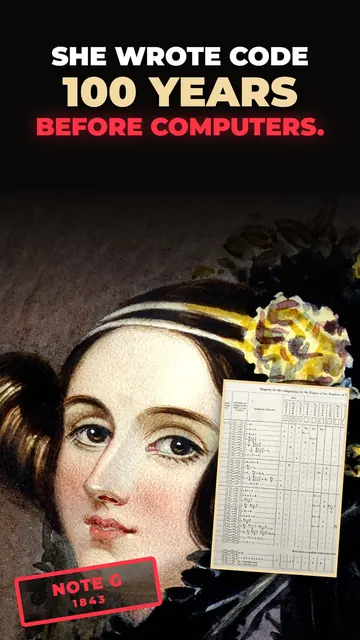
Ada Lovelace
Publishes her Notes on Babbage's Analytical Engine, often called the first computer program.
-
1844
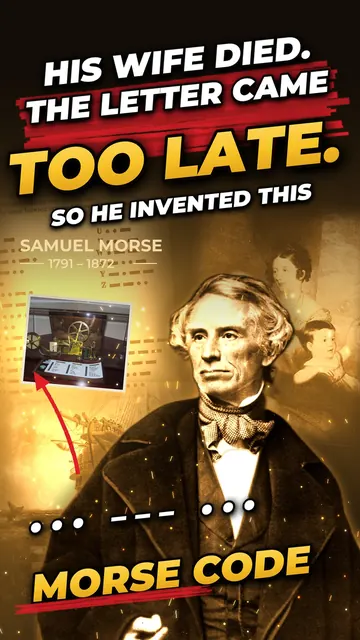
Samuel Morse
Sends the first public telegraph message, from the Capitol to Baltimore, on 24 May 1844.
-
1854
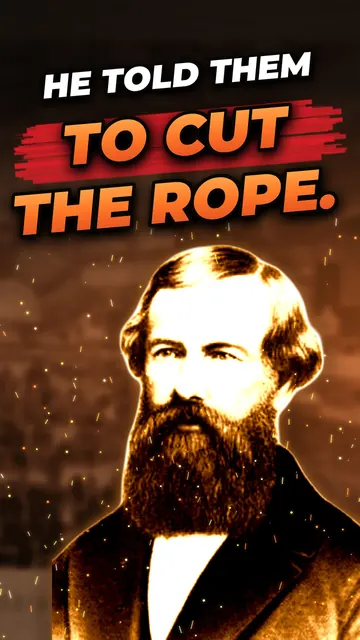
Elisha Otis
Shows his safety brake in New York: the rope is cut, and the platform stays put.
-
1867
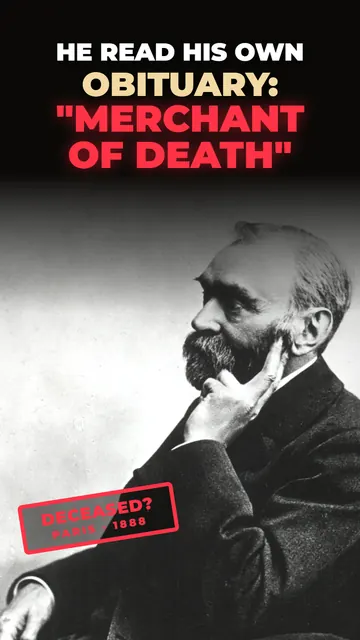
Alfred Nobel
Patents dynamite, a year after inventing it.
-
1876
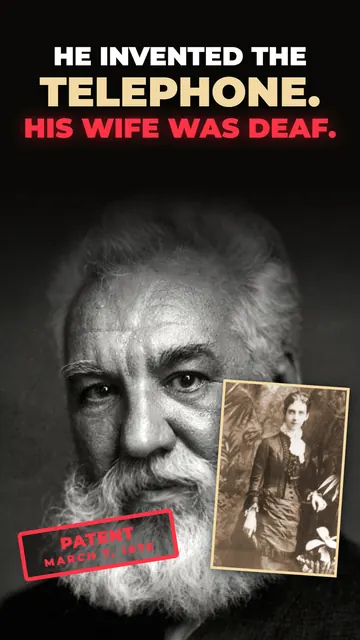
Alexander Graham Bell
Speaks the first words over the telephone on 10 March 1876: 'Mr. Watson, come here.'
-
1879
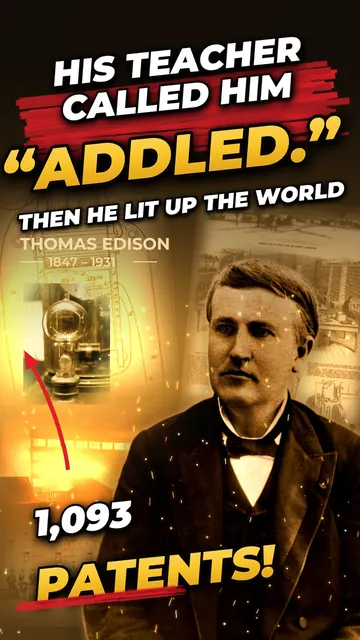
Thomas Edison
His lab makes a practical carbon-filament light bulb.
-
1882
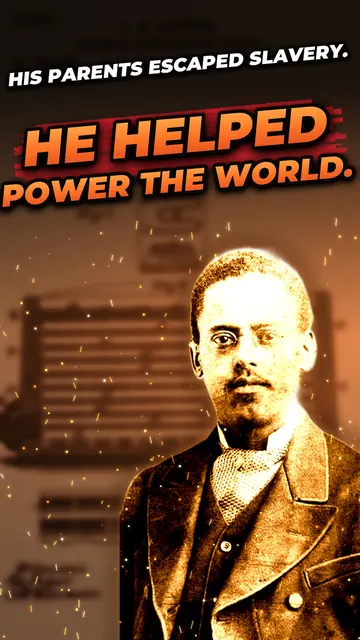
Lewis Latimer
Patents a better way to make carbon filaments for light bulbs.
-
1888
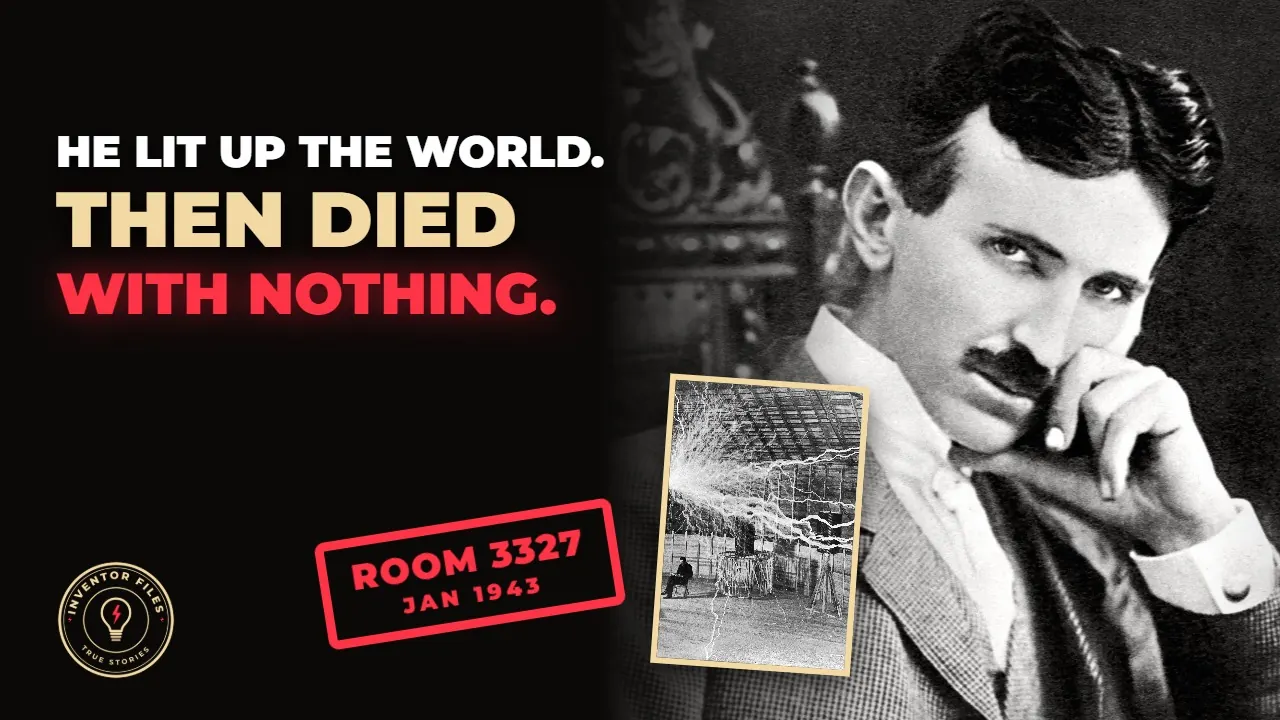
Nikola Tesla
Presents his alternating-current motor; Westinghouse licenses the patents.
Linked filesThomas EdisonWorked for Edison's company in 1884 -
1897
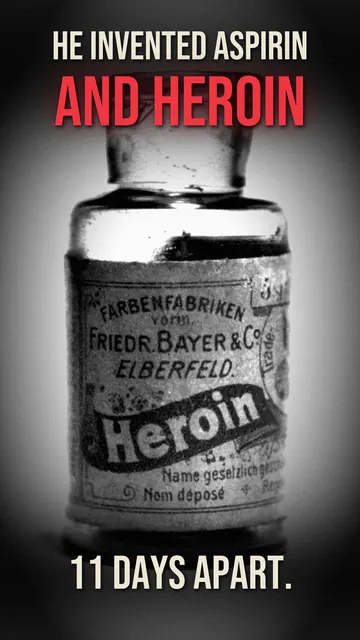
Felix Hoffmann
Records aspirin on 10 August 1897, and heroin eleven days later.
-
1903
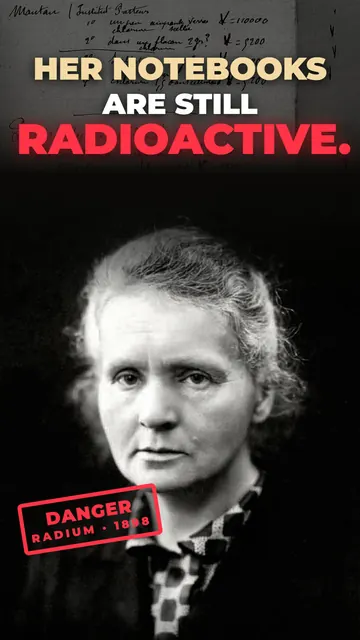
Marie Curie
Becomes the first woman to win a Nobel Prize.
Linked filesAlfred NobelThe prize named after him -
1903
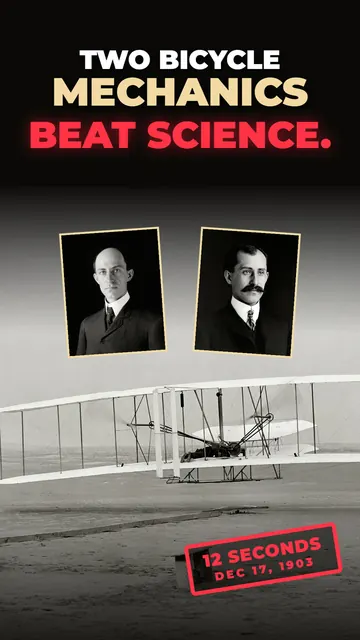
The Wright Brothers
First powered, controlled flight at Kitty Hawk on 17 December 1903: 12 seconds, 120 feet.
-
1904
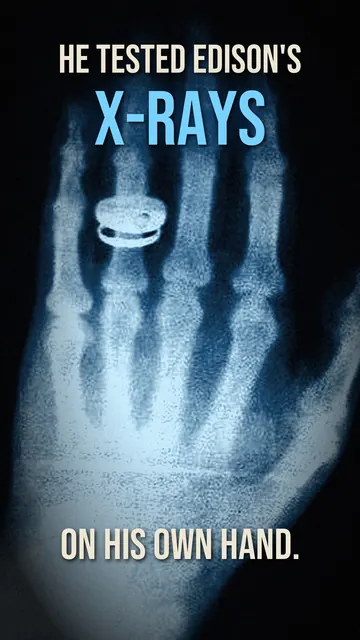
Clarence Dally
Dies of the X-ray damage to his hands, thought to be the first American killed by radiation experiments.
Linked filesThomas EdisonTested X-ray tubes for Edison -
1912
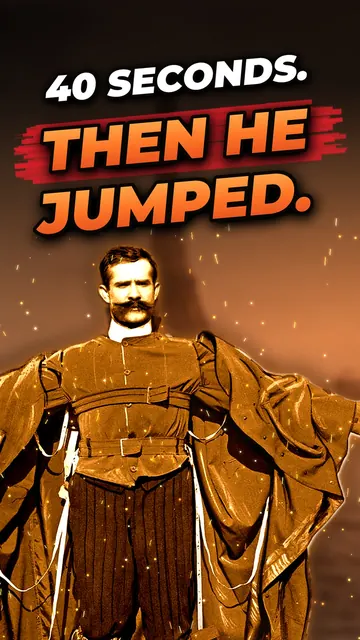
Franz Reichelt
Jumps from the Eiffel Tower on 4 February 1912 to test his parachute suit.
-
1913
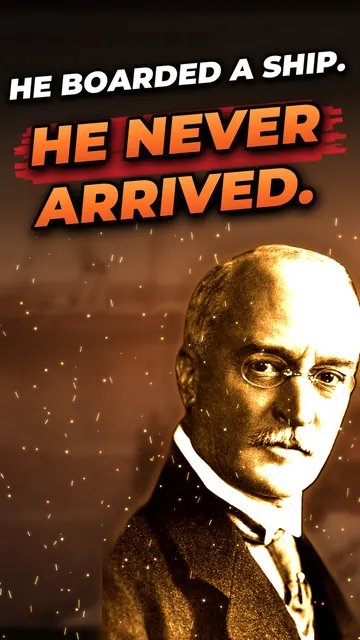
Rudolf Diesel
Vanishes from a steamer crossing to England on the night of 29–30 September 1913.
-
1915
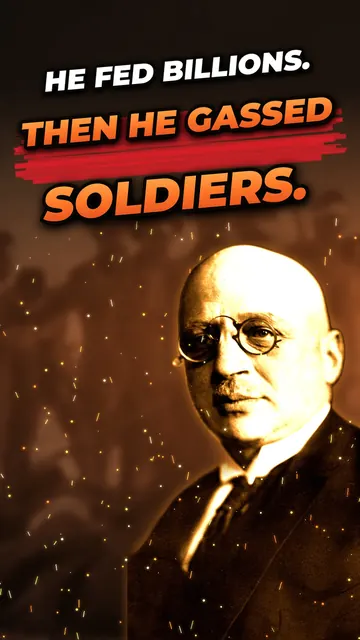
Fritz Haber
Supervises the first large-scale chlorine gas attack, at Ypres on 22 April 1915.
Linked filesAlfred NobelNobel Prize in Chemistry, 1918 -
1916
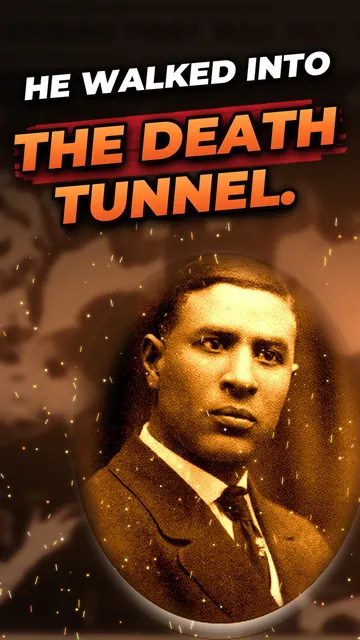
Garrett Morgan
Wears his own safety hood into a gas-filled tunnel under Lake Erie to rescue workers.
-
1923
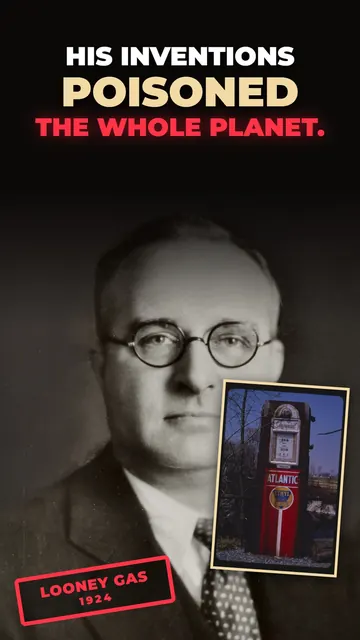
Thomas Midgley Jr.
Leaded petrol goes on sale; in 1923–24 at least 15 workers die at the plants that make the additive.
-
1942

Hedy Lamarr
Receives a patent for frequency hopping, with the composer George Antheil.
-
1943
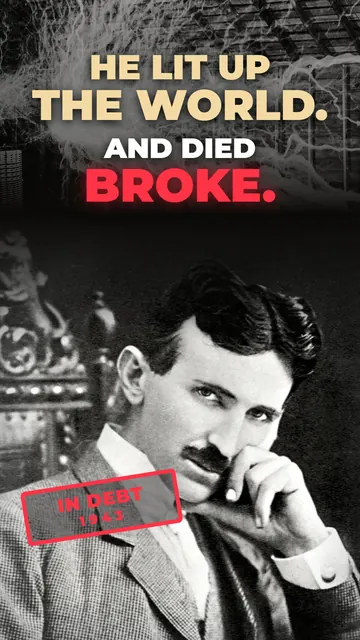
Nikola Tesla
Dies alone in room 3327 of the Hotel New Yorker, effectively bankrupt.
Linked filesNikola TeslaHis whole life story -
1944
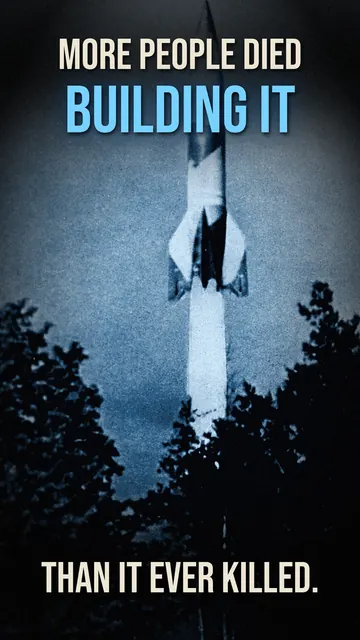
Wernher von Braun
The first V-2s are fired at cities. By the estimates, more prisoners died building them than people were killed by them.
-
1945
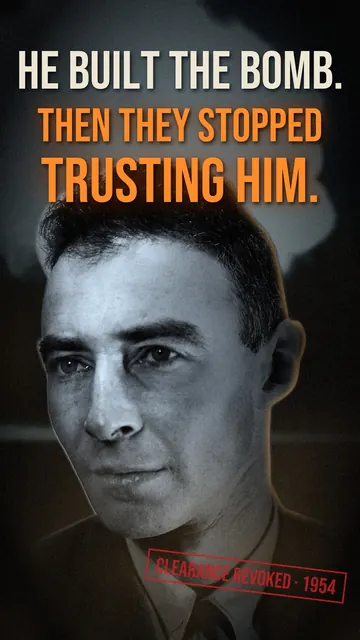
J. Robert Oppenheimer
Watches the Trinity test, the first atomic explosion, on 16 July 1945.
Linked filesLouis SlotinSlotin assembled the Trinity core -
1946

Louis Slotin
A screwdriver slips during a test with the 'Demon Core' on 21 May 1946.
Linked filesJ. Robert OppenheimerWorked at Los Alamos -
1947

Mikhail Kalashnikov
His AK-47 rifle is developed; by 2009 about 100 million AK-family rifles had been made (an estimate).
-
1952

Alan Turing
The codebreaker who helped win the war is prosecuted for being gay.
-
1952
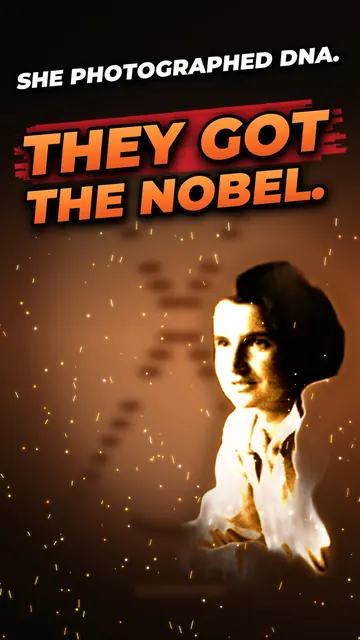
Rosalind Franklin
Photo 51 is taken under her supervision and reveals the shape of DNA.
-
1954

John Paul Stapp
Rides a rocket sled to 632 mph and stops in about 1.4 seconds: 46.2 g.
-
1989

Tim Berners-Lee
Proposes the World Wide Web at CERN. His boss writes 'Vague but exciting'.
Dates come from the fact checks on each episode page. Where a story has a legend, the episode page says so.